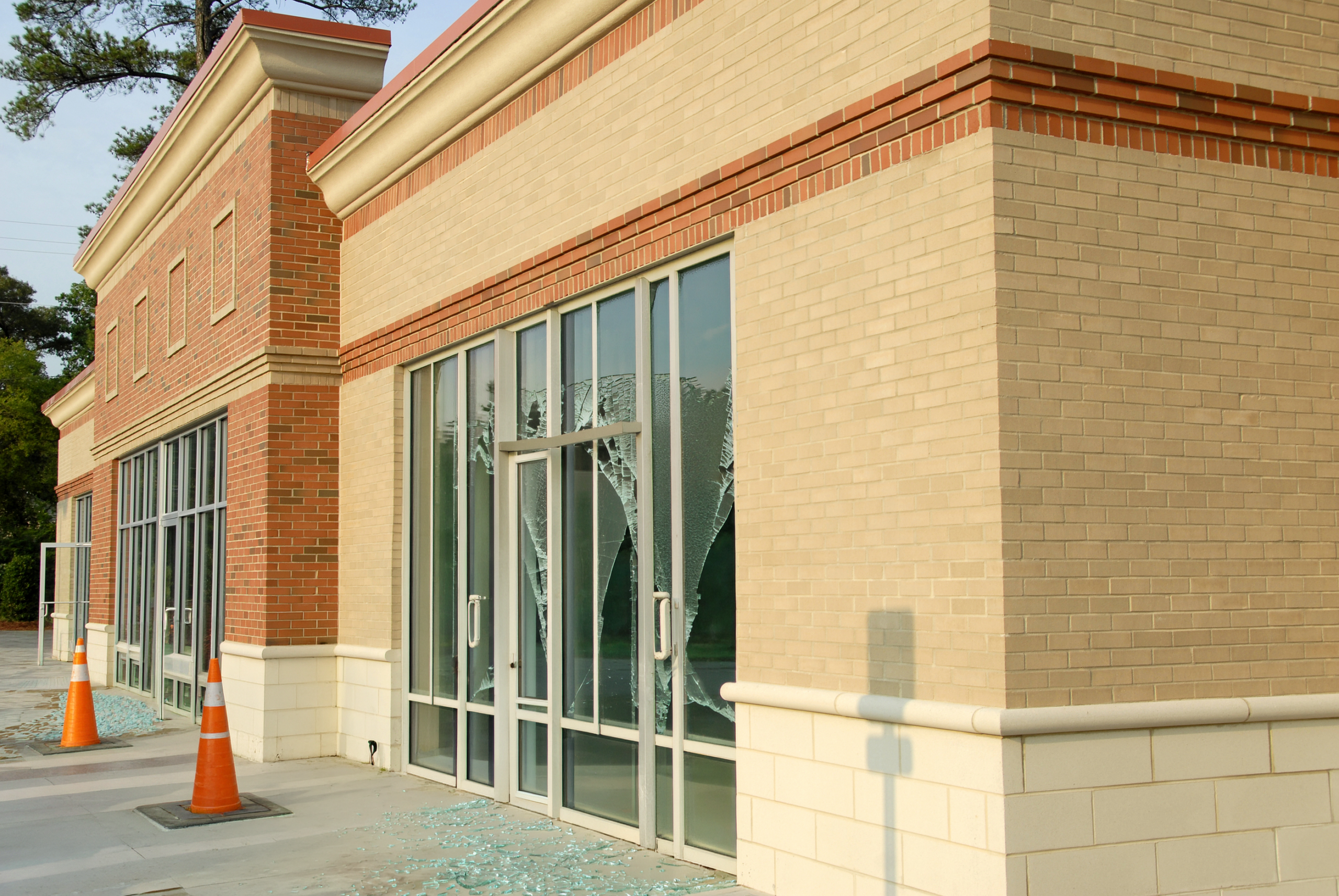
From storm damage and tenant injuries to vandalism and equipment failure, commercial property owners face a wide range of exposures that can trigger a commercial property insurance claim. While strong commercial property risk management practices help reduce risk, claims are an inevitable part of property ownership.
When a loss occurs, what a policyholder does in the first hours and days can significantly influence how smoothly the insurance claims process unfolds. Industry data consistently indicates that early reporting, strong documentation, and disciplined communication can dramatically improve claim outcomes. But what else can help your clients sidestep any major pitfalls? Here are three things claims adjusters want commercial property owners to know.
1. Report the Claim Immediately
One of the most common issues adjusters encounter is delayed reporting. Many property owners wait until they fully understand the scope of damage before notifying their carrier, but early notification allows adjusters to begin investigating while evidence is still fresh and initiate recovery actions sooner.
Prompt reporting is especially critical when:
- Bodily injuries occur on-site
- Property damage is likely to worsen if not addressed quickly
- A lawsuit, legal notice, or demand letter is received
Insurance best practices recommend contacting the insurer or agent as soon as possible after a loss – even if the total extent of damage is not yet known – so adjusters can inspect the property and begin the investigation process quickly.
2. Document Conditions Before Cleanup Begins
Claims investigations rely heavily on documentation. Photographs, incident reports, inventories of damaged property, and repair receipts help substantiate losses and ensure accurate settlement evaluation.
Property owners should:
- Photograph the damage from multiple angles
- Prepare an inventory of damaged or destroyed items
- Collect witness information and incident details
- Retain damaged components when possible for inspection
- Save invoices and receipts for emergency repairs
Taking reasonable steps to protect property from further damage, such as temporary roof coverings or boarding broken windows, is encouraged. But documenting the original conditions first can help prevent disputes later in the claims process.
3. Let the Adjuster Manage Communications and Settlement Discussions
After an incident, it’s natural for property owners or employees to want to explain what happened or reassure those affected. While often well-intended, those types of comments expose the business to greater risk. Allowing the adjuster to manage communications helps ensure accurate investigation findings, proper coordination of inspections and estimates, and consistent documentation throughout the claim handling process.
If your client attempts to independently negotiate payments or make informal settlement promises, they may complicate the claim or create coverage challenges. So, even if it feels harsh in the moment, carriers typically advise business representatives to route all claim-related discussions through the assigned adjuster.
The Bottom Line: Prepared Clients Experience Smoother Claims
Helping clients understand what adjusters need before a loss occurs strengthens overall commercial property risk management practices and can significantly reduce delays once a claim is filed. Early reporting, thorough documentation, and disciplined communication are simple steps that consistently lead to more efficient claim handling and often better outcomes for the business.
MiniCo’s program underwriters work closely with agents to provide specialized coverage solutions and risk management guidance designed for commercial property owners in a wide range of niche industries. Plus our in-house claims professionals have the class-specific knowledge and experience to resolve claims efficiently. If you’re looking to help your clients enhance their claim readiness, connect with MiniCo to learn more about our exclusive insurance programs, claims, and informational resources.
Explore Further
Why Insurance Program Administrators Are a Strategic Advantage for Agents

Jul 16, 2026
Navigating the 2026 Wildfire Season: What Agents Need to Know

Jul 9, 2026
A “Below-Normal” Hurricane Season Is Not a Free Pass
Jun 25, 2026
2026 Insurance Claims Trends Agents Need to Know Now
May 21, 2026
How Construction Cost Trends Impact Self-Storage Insurance
Mar 12, 2026
Self-Storage Insurance Trends to Watch in 2026

Mar 5, 2026
Commercial Self-Storage Insurance Is Critical, But It’s Not the Full Story
Feb 26, 2026
Self-Storage Lien Sales: What Agents Need to Know to Protect Their Clients
Jan 29, 2026
Why Specialized Self-Storage Insurance Deserves a Closer Look From Agents
Jan 22, 2026
Insuring Self-Storage Conversions: What Agents Should Know

Dec 18, 2025
2026 Commercial Property Insurance Outlook: What Agents Need to Know
Dec 4, 2025
Key Coverages in Self-Storage Insurance
Oct 23, 2025
Recent Posts
Why Small Businesses Need Cyber Liability Insurance More Than Ever

Aug 6, 2026
Cybersecurity Travel Tips for Agents to Share This Summer
Jul 23, 2026
Why Insurance Program Administrators Are a Strategic Advantage for Agents
Jul 16, 2026
Navigating the 2026 Wildfire Season: What Agents Need to Know
Jul 9, 2026
A “Below-Normal” Hurricane Season Is Not a Free Pass

Jun 25, 2026
Help Your Clients Plan Ahead with Youth Sports Insurance: MiniCo’s Injury Response Playbook
Jun 18, 2026
Explore Industry Topics
- Adult Residential Facility Insurance
- Agribusiness Insurance
- Allied Health Insurance
- Artisan Contractors Insurance
- Contractors Liability Insurance
- Cyber Insurance
- Equipment Breakdown Insurance
- Hired & Non-Owned Auto for Food/Cannabis Couriers
- Landscaping Insurance
- Lawyers Professional Liability Insurance
- Miscellaneous Professional Liability Insurance
- News and Announcements
- Nonprofit and Social Services Insurance
- Participant Accident Insurance
- Professional Liability Insurance
- Risk Management
- Self-Storage Commercial Insurance
- Self-Storage Tenant Protection Plan
- Wind & Hail Deductible Insurance
Put Minico to Work For You
For more than 50 years, MiniCo has built specialty insurance programs for clients with unique risk exposures. Our dedicated program teams bring niche underwriting expertise to a portfolio of exclusive programs, from self-storage and agribusiness to professional liability, nonprofits, and everything in between. When you partner with MiniCo, you give your clients coverage customized to their industry and competitive in the marketplace, backed by underwriters who know their business.
Want to receive information from MiniCo on timely marketplace trends, hot new program launches, and valuable industry expertise that will set you up to win? Sign up to receive email communications.