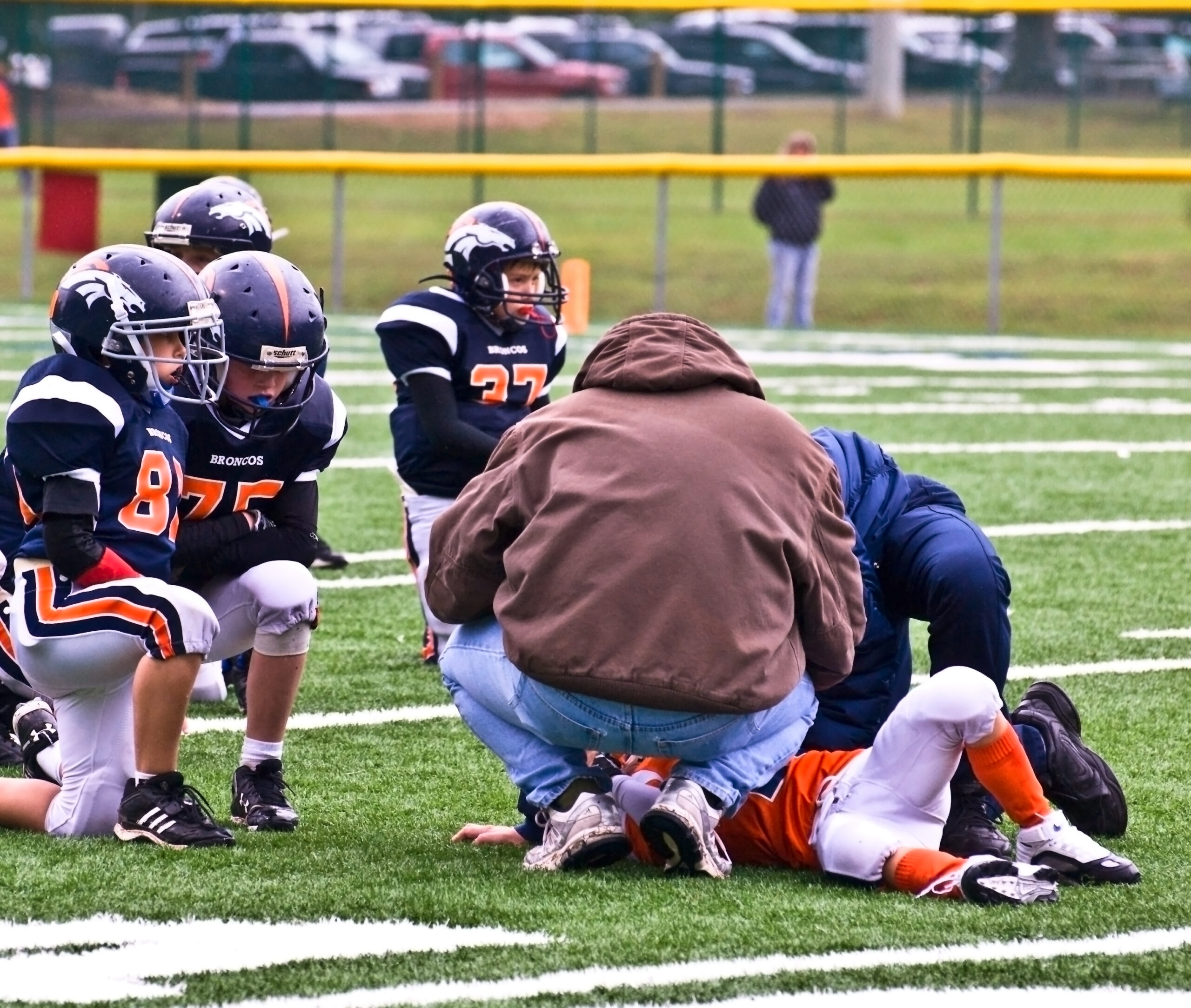
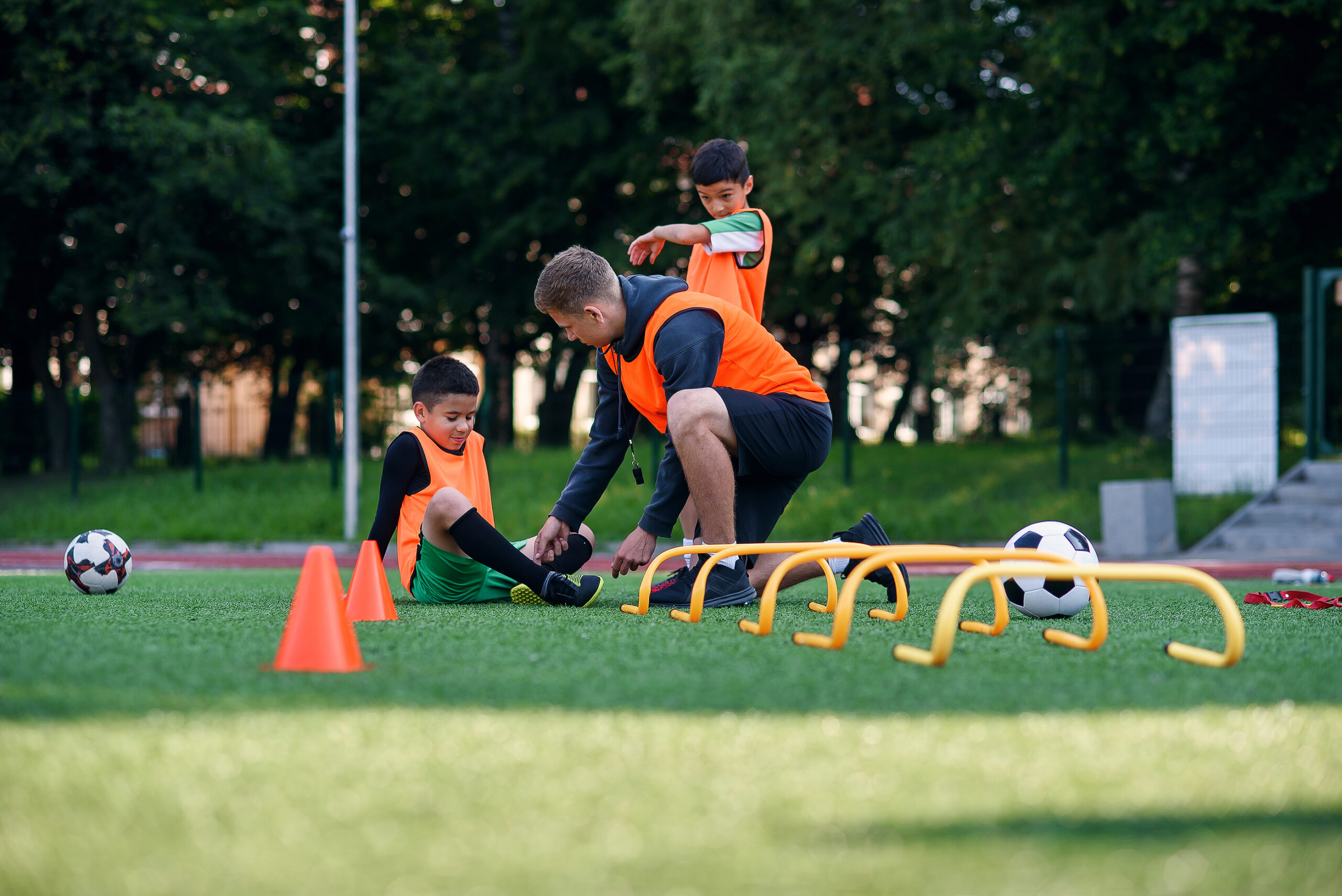
Remember the thrill of stepping onto the field as a kid? Whether it was the crunch of cleats on grass or the squeak of sneakers on a gym floor, youth sports taught you about teamwork, competition, and resilience. But with every game came risks — bumps, bruises, and, sometimes, more serious injuries.
Today, club sports are bigger than ever, but these organizations face heightened risks without the safety protocols often found in school programs. As an insurance agent, you know that when injuries happen, it’s not just the athlete who’s affected — it’s the entire organization. That’s where participant accident insurance comes in, offering critical protection for everyone involved.
The Injury and Risk Landscape in Club Sports
Unlike school-based sports programs, many non-scholastic organizations aren’t bound by institutional safety policies. According to a self-reported survey from Players Health, an alarming number of club-sports organizations across the U.S. lack basic athlete safety protocols, including those governing interactions between adults and minors, emergency care, and staff conduct. The numbers might surprise you:
- 56% of organizations do not have policies governing one-on-one interactions between adults and minors. This stat is particularly concerning given that 1 in 10 children in the U.S. experience sexual abuse before the age of 18, and 90% know their abuser. Many of these incidents occur in one-on-one situations.
- 50% of organizations lack emergency care policies, leaving athletes vulnerable to improper treatment in cases of concussions, heat illness, or cardiac arrest. In high-contact sports such as football, basketball, or soccer, the absence of return-to-play protocols can lead to further complications after an initial injury.
- 47% do not require abuse-prevention training for coaches or staff, increasing the risk of misconduct or inappropriate behavior going unchecked.
- 33% don’t conduct background checks on coaches or staff, which opens organizations to liability risks if they unknowingly hire individuals with criminal backgrounds.
With these gaps in place, the likelihood of injury increases significantly, and organizations may face legal repercussions due to negligence or lack of preparedness.
The Most Common Injuries in Club Sports
While the joy and excitement of youth sports remain, the modern landscape of club sports brings new challenges. Non-scholastic organizations face greater risks without the institutional support and safety protocols that often accompany school sports. From inadequate medical preparedness to the sheer physical intensity of club competitions, the likelihood of injuries is higher, and the consequences are more severe. Understanding the types of youth sports injuries most commonly seen in these environments can help protect athletes and organizations.
Overuse Injuries
Sports that require repetitive motions — like pitching in baseball or kicking in soccer — put athletes at risk for overuse injuries. These injuries build over time and affect joints, muscles, and tendons. Without adequate rest or supervision, young athletes can suffer long-term damage.
Concussions
High-contact sports, including soccer, football, and basketball, have frequent head injuries, especially when proper safety protocols aren’t enforced.
Fractures and Sprains
Accidents during games or practice, like a fall in gymnastics or a misstep in running, often lead to fractures or sprains. The intensity of club sports, combined with less rigorous safety oversight, can make these injuries more common.
How Participant Accident Insurance Can Mitigate Risks
As you can see from the trending statistics, without strong safety protocols in place, the financial and legal risks for club-sports organizations are high. Participant accident insurance can be that safety net for your clients. Here’s why:
- Participant accident insurance ensures that when an athlete is injured, medical expenses — whether for a minor sprain or a more serious concussion — are covered. It reduces the burden on families and protects organizations from potential lawsuits.
- If an organization is sued for negligence (for instance, not having a concussion protocol), participant accident insurance helps cover legal fees and settlements.
- Whether it’s high-contact sports like rugby or martial arts or less physically intense activities like dance clubs or fencing, insurance coverage can be tailored to fit the unique risks of each sport.
Providing youth sports insurance helps shield organizations from the significant financial consequences that can arise when something goes wrong on the field.
MiniCo: The Coverage Champion for Club Sports
With 50 years of program administration expertise, MiniCo deeply understands the risks associated with nonprofit and youth sports organizations. Our exclusive Participant Accident Insurance program offers comprehensive coverage tailored to club sports’ unique needs. Backed by AM Best A-rated carriers, MiniCo’s insurance solutions include coverage for:
- Accidental death, dismemberment, and paralysis
- Excess medical expenses
- Protection from legal liability claims related to injury or misconduct
Our responsive claims team ensures that organizations and families receive prompt, compassionate service when accidents happen, allowing for peace of mind in critical moments. Don’t leave your clients’ club sports programs vulnerable to unnecessary risks. Reach out to MiniCo today to learn how our Participant Accident Insurance program can help protect participants and organizations alike.