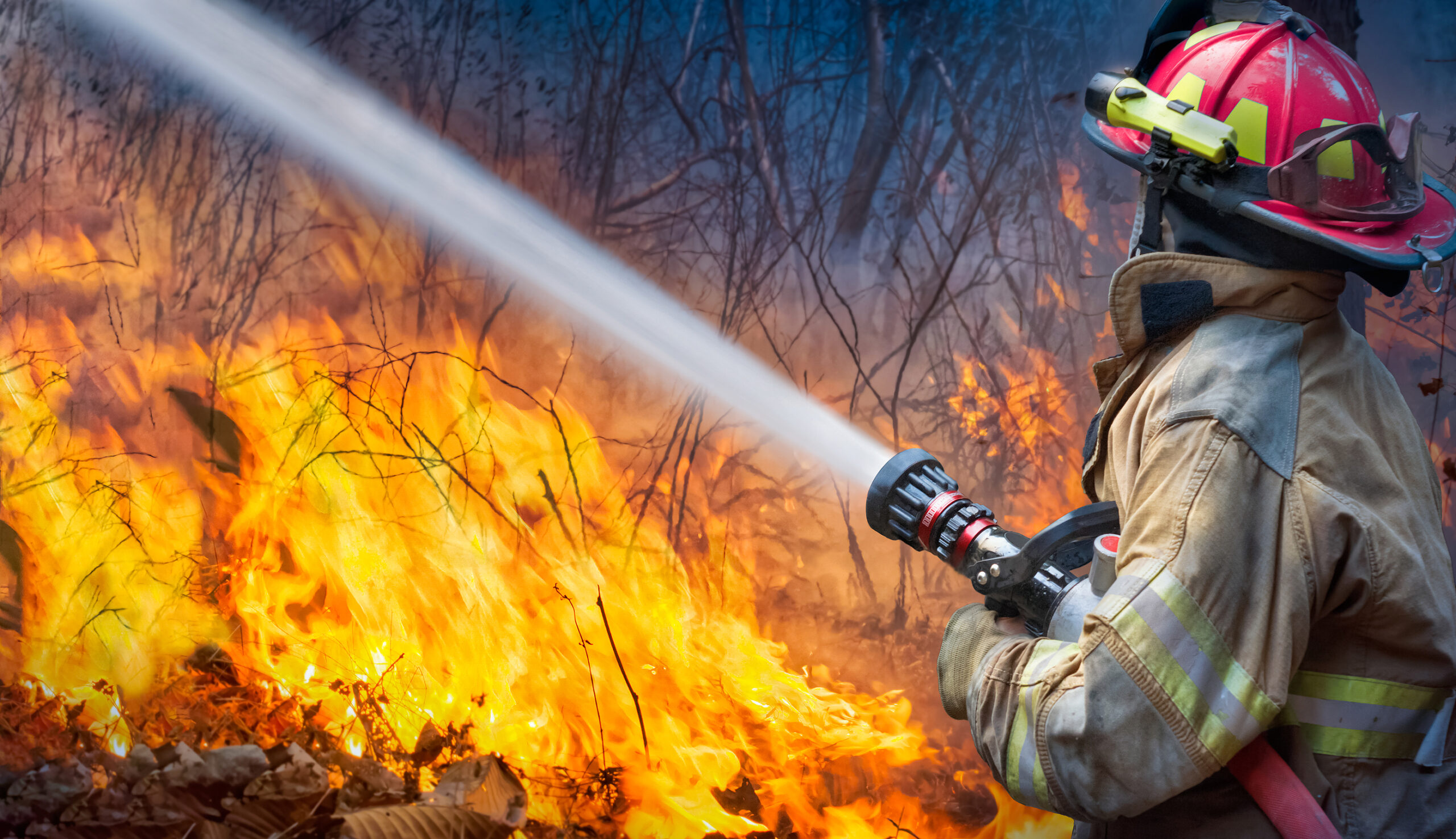
The devastating wildfires on Maui have shone a spotlight on an issue that’s being felt much more broadly than just in the Aloha State. Thanks to shifting weather patterns, there’s been a recent uptick in “secondary perils” — wildfires, major thunderstorms, and landslides — which is prompting private insurers to pull back or limit coverage, leaving the overall market in a precarious position.
Secondary Perils Are Impacting the Entire Insurance Market
Major catastrophes, like hurricanes and earthquakes, tend to get the greatest media attention, and historically rack up the greatest losses. However, secondary perils are driving significant insurance losses, and, according to Gallagher Re, they’re actually surpassing loss totals from primary perils. To make matters worse, factors like rising inflation, outdated property valuations, and supply chain disruptions are all driving up the costs to repair or replace properties after a disaster occurs.
It’s no surprise that the uptick in secondary perils and associated costs can have a long-term impact on the entire insurance industry. The mounting losses caused by secondary perils are also affecting the flow of capital into the reinsurance market. As a result, primary insurers are facing higher costs, which they in turn pass on to their clients through pricing hikes and changes to coverage.
Across the board, insurance providers are faced with the challenge of adapting to these more frequent and increasingly more severe events. Carriers will need to carefully consider how to better estimate future losses and address the increasing frequency and severity of wildfires, alongside other secondary perils.
Preparing for Wildfires
The Maui fires aside, this year’s wildfire season was off to a slower start in other areas of the country, like California, but activity began picking up in the latter half of July. Although much of the wildfire risk has tapered off for the year, a few months remain in wildfire season, and it’s important to stay vigilant and minimize risks as much as possible.
Although some wildfires begin “naturally” — for example, from lightning striking dry brush — at least 85% of all U.S. wildfires are caused by people. Careless behavior like tossing away a cigarette, leaving a campfire unattended, or burning debris are all common culprits. In addition, equipment malfunction, such as a spark from a vehicle backfire, can also ignite wildfires. As we navigate through the final high-risk wildfire months, being particularly mindful of potential fire hazards can help prevent widespread disaster.
MiniCo, Your Property Experts
Whether or not you’re in a wildfire-prone area, you and your commercial property clients are likely feeling the impact on insurance premiums of the recent wildfire trends and the overall rise in secondary perils. You can trust MiniCo has a finger on the pulse of nationwide commercial property trends and can help you source the best coverage available. With 19 exclusive programs and class-specific expertise providing insurance solutions for self-storage facilities, nonprofit and social services organizations, commercial farm and ranch operations, adult residential facilities, and more, MiniCo offers the highest level of flexibility in coverages, limits, and deductibles.
Contact MiniCo for a quote today.
Explore Further
Why Insurance Program Administrators Are a Strategic Advantage for Agents
Jul 16, 2026
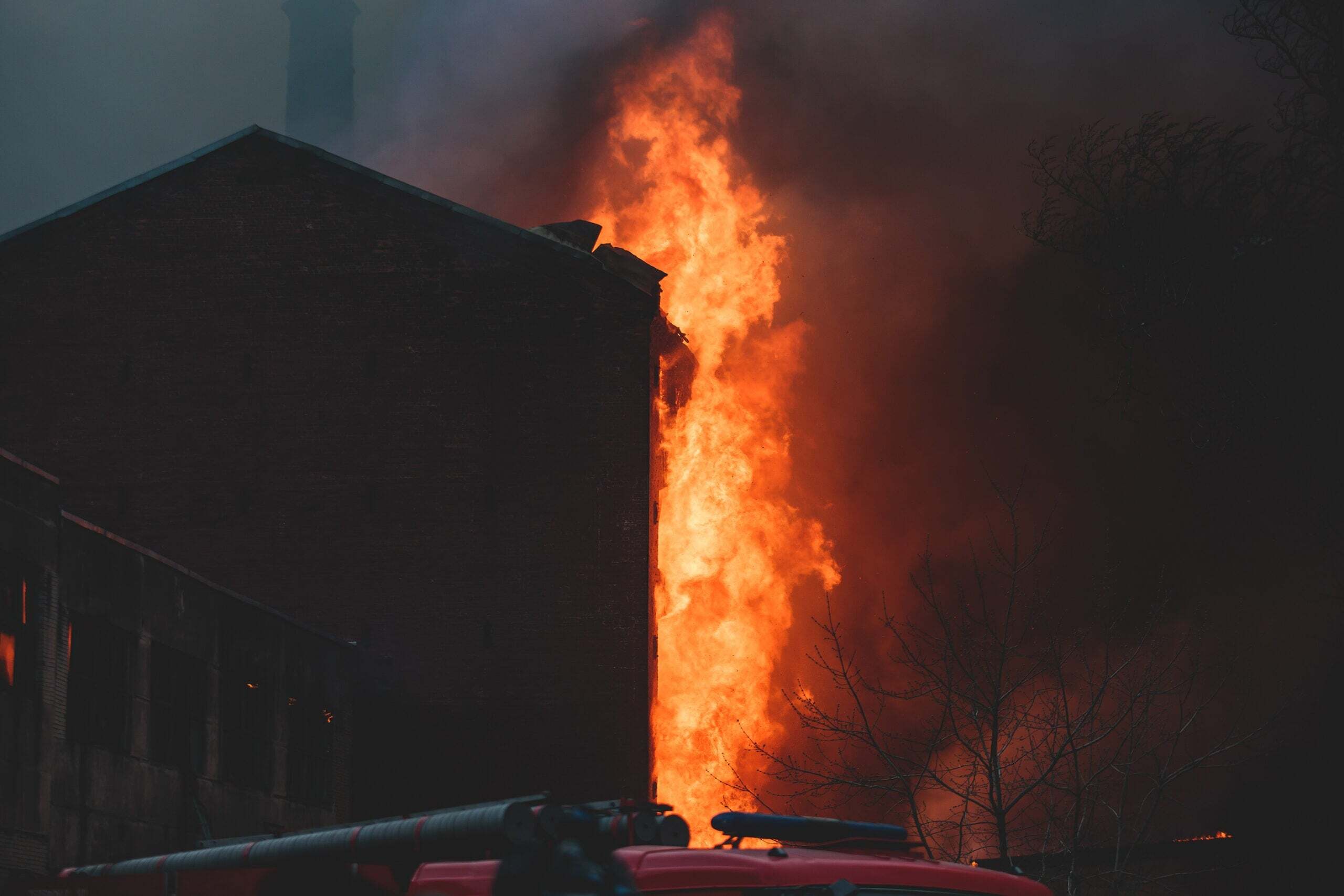
Navigating the 2026 Wildfire Season: What Agents Need to Know
Jul 9, 2026
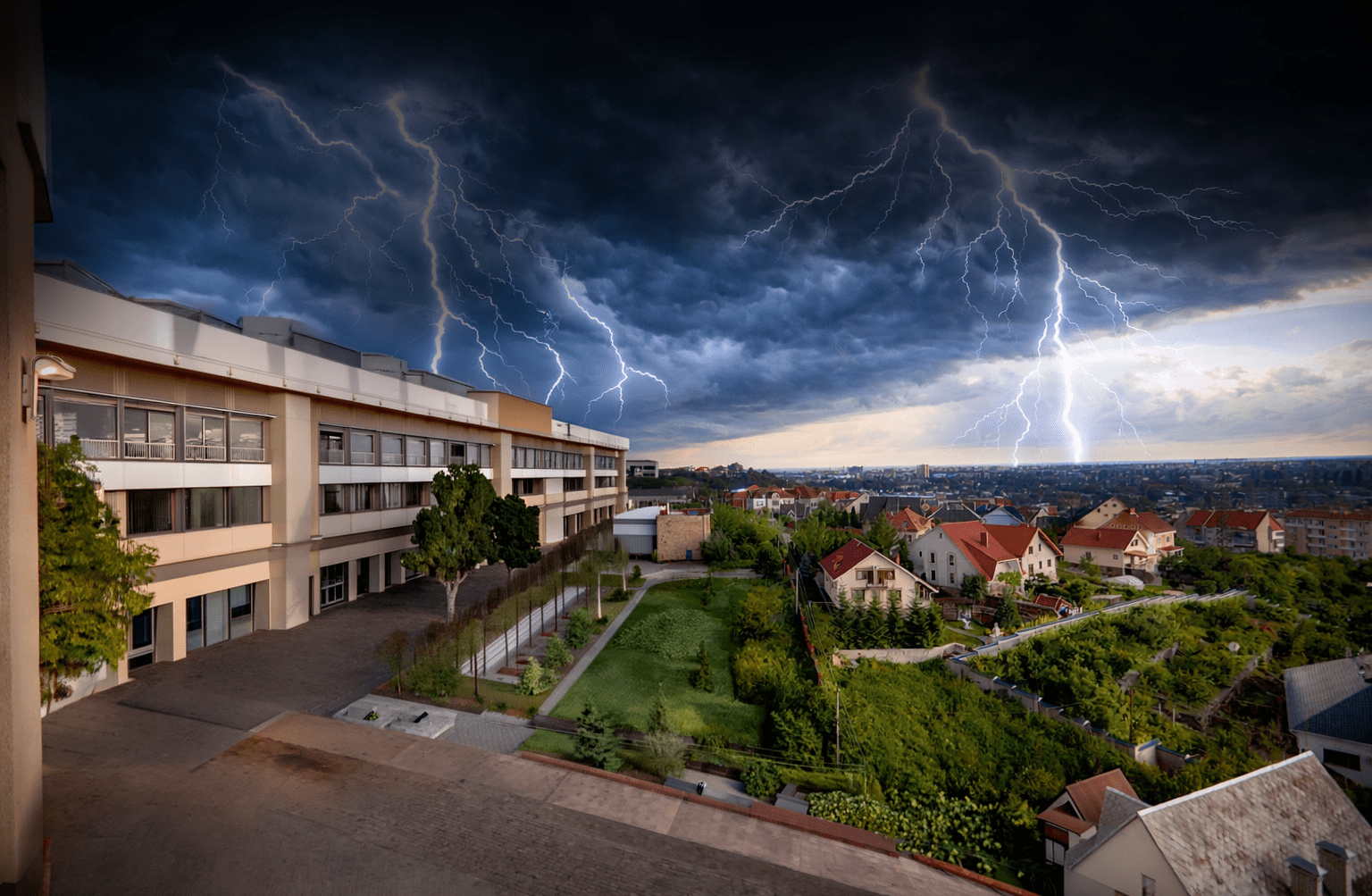
A “Below-Normal” Hurricane Season Is Not a Free Pass
Jun 25, 2026
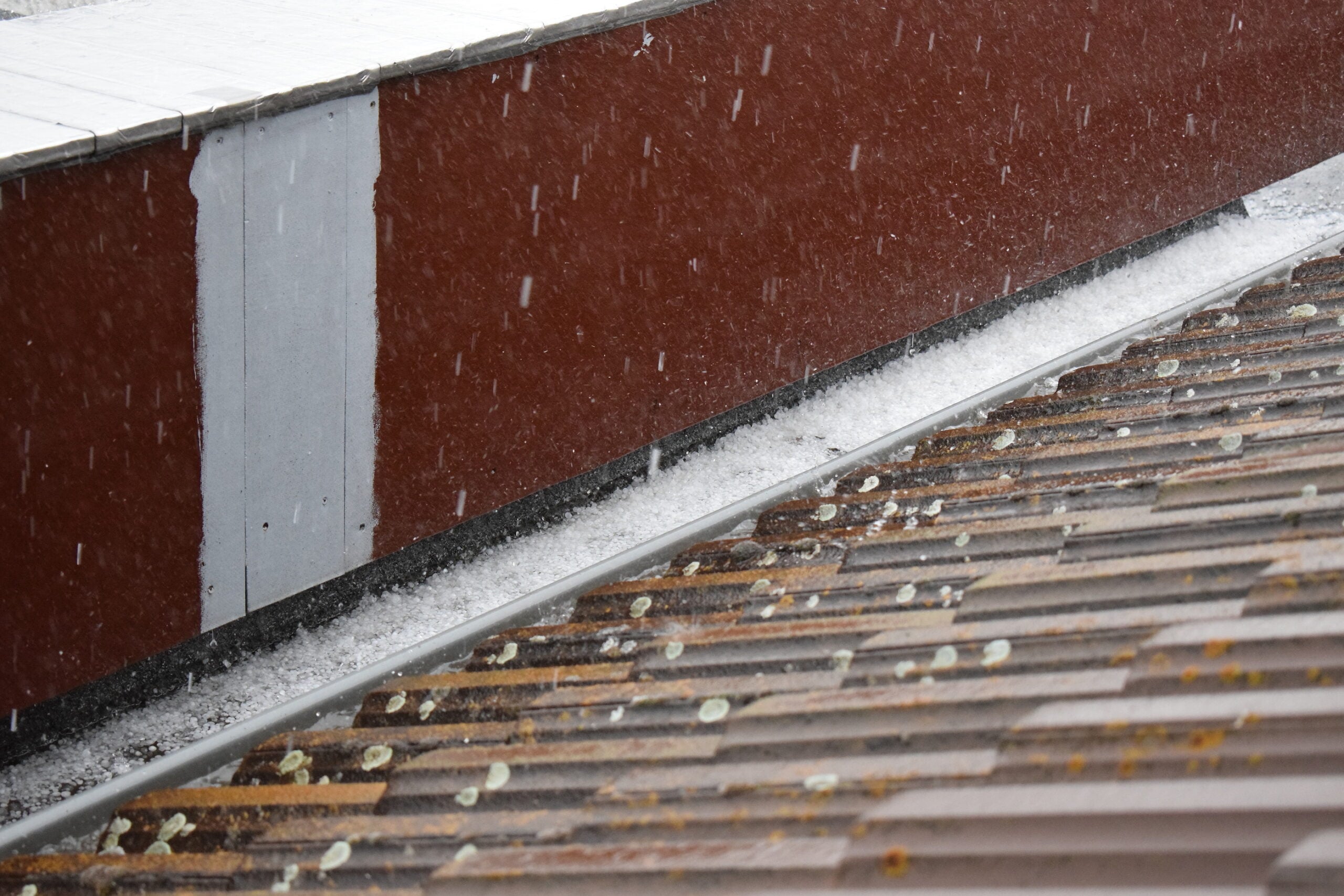
The Financial Truth About Hail Impact: Why It’s More Than Just a Roof Problem
Apr 22, 2026
How Construction Cost Trends Impact Self-Storage Insurance
Mar 12, 2026
Self-Storage Insurance Trends to Watch in 2026

Mar 5, 2026
Commercial Self-Storage Insurance Is Critical, But It’s Not the Full Story
Feb 26, 2026
Filing a Commercial Property Insurance Claim: 3 Tips From Claims Adjusters
Feb 12, 2026
Self-Storage Lien Sales: What Agents Need to Know to Protect Their Clients
Jan 29, 2026
Why Specialized Self-Storage Insurance Deserves a Closer Look From Agents
Jan 22, 2026
Insuring Self-Storage Conversions: What Agents Should Know

Dec 18, 2025
2026 Commercial Property Insurance Outlook: What Agents Need to Know
Dec 4, 2025
Recent Posts
Why Small Businesses Need Cyber Liability Insurance More Than Ever

Aug 6, 2026
Cybersecurity Travel Tips for Agents to Share This Summer
Jul 23, 2026
Why Insurance Program Administrators Are a Strategic Advantage for Agents
Jul 16, 2026
Navigating the 2026 Wildfire Season: What Agents Need to Know
Jul 9, 2026
A “Below-Normal” Hurricane Season Is Not a Free Pass
Jun 25, 2026
Help Your Clients Plan Ahead with Youth Sports Insurance: MiniCo’s Injury Response Playbook
Jun 18, 2026
Explore Industry Topics
- Adult Residential Facility Insurance
- Agribusiness Insurance
- Allied Health Insurance
- Artisan Contractors Insurance
- Contractors Liability Insurance
- Cyber Insurance
- Equipment Breakdown Insurance
- Hired & Non-Owned Auto for Food/Cannabis Couriers
- Landscaping Insurance
- Lawyers Professional Liability Insurance
- Miscellaneous Professional Liability Insurance
- News and Announcements
- Nonprofit and Social Services Insurance
- Participant Accident Insurance
- Professional Liability Insurance
- Risk Management
- Self-Storage Commercial Insurance
- Self-Storage Tenant Protection Plan
- Wind & Hail Deductible Insurance
Put Minico to Work For You
For more than 50 years, MiniCo has built specialty insurance programs for clients with unique risk exposures. Our dedicated program teams bring niche underwriting expertise to a portfolio of exclusive programs, from self-storage and agribusiness to professional liability, nonprofits, and everything in between. When you partner with MiniCo, you give your clients coverage customized to their industry and competitive in the marketplace, backed by underwriters who know their business.
Want to receive information from MiniCo on timely marketplace trends, hot new program launches, and valuable industry expertise that will set you up to win? Sign up to receive email communications.